
Menu
DEMETER ENVIRONMENTAL / CASE STUDY
Extension to Dwelling, Portland Street, Huddersfield, HD1
THE PROJECT
Site context.
Practical findings.
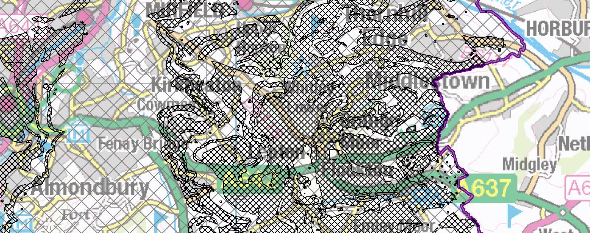
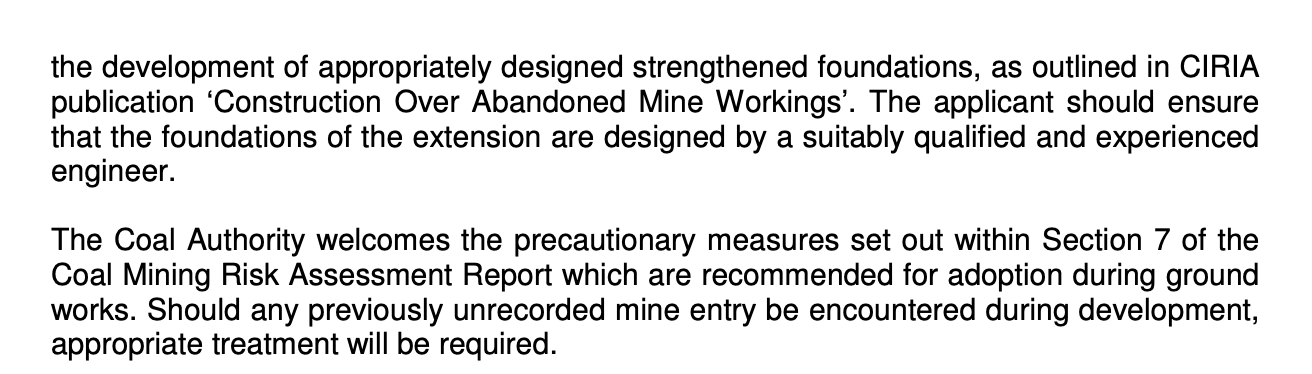
Due to the site being within a ‘Development High Risk Area’ the Coal Authority raised an object to the application until the applicant had submitted a Coal Mining Risk Assessment (CMRA).
The aim of a CMRA is to identify any coal mining legacy risks and set out a proposed mitigation strategy to demonstrate to the LPA that the site can be made safe and stable for the proposed development. In some cases it may be possible to ensure that the development layout avoids recorded high risk features.
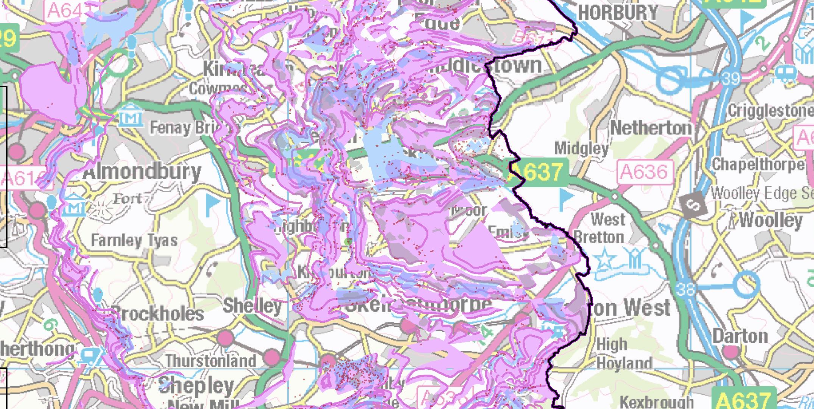
The published geology indicated that the site was in an area where the bedrock was exposed at the surface and that the site was underlain by the Middle Band Rock (sandstone) of the Carboniferous epoch.
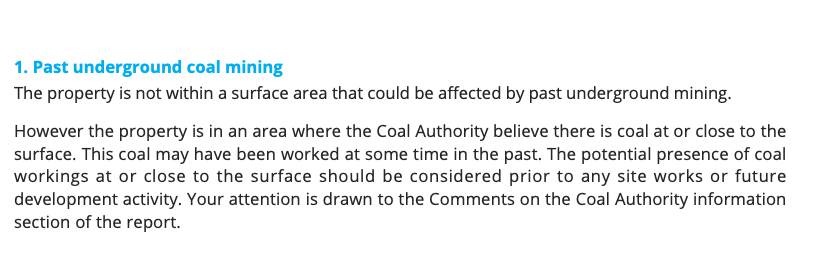
A review of the large scale geological maps indicated the closest coal seam was the Soft Bed (SB) seam which was 140m east and the dip was likely around 3 degrees, the predicted depth of the seam under the site was 10m.
The borehole section sheets published by the BGS were reviewed and no boreholes near the site available and concluded that surface instability as a result of unrecorded coal workings required further assessment.
Given the nature of the development (extension) the incorporation of measures into the building so it would withstand a collapse/crown hole was proposed rather than undertake an intrusive investigation.
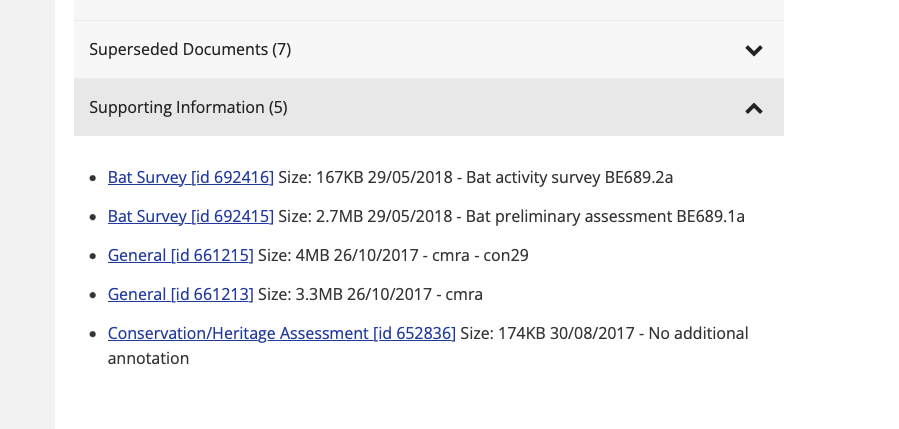
The report was submitted to support the application, the recommendations accepted by the Coal Authority and the objection to the development was raised by the Coal Authority.
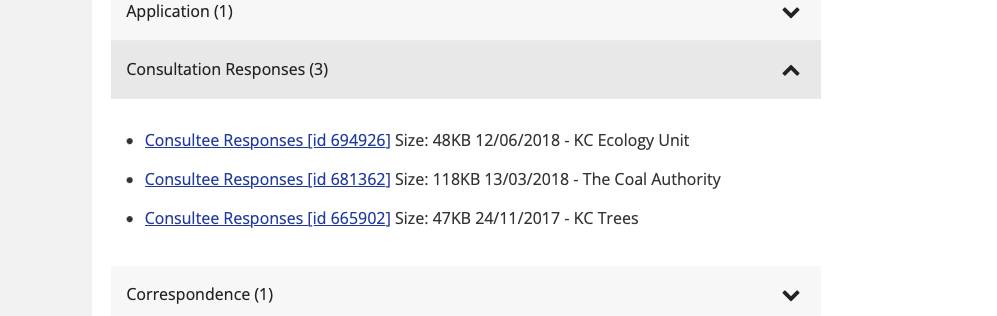
This case study records the project circumstances and conclusions at the time of the work. Planning links may refer to historical council systems.
YOUR NEXT PROJECT
A different site.
The same careful approach.
Send us your site address, development plans and any planning conditions. We’ll help establish the right scope of assessment.
Independent environmental consultancy
Liverpool · Brighton · Cumbria