
Menu
DEMETER ENVIRONMENTAL / CASE STUDY
Residential Development, Twemlow Lane, Cranage, CW4 8EX
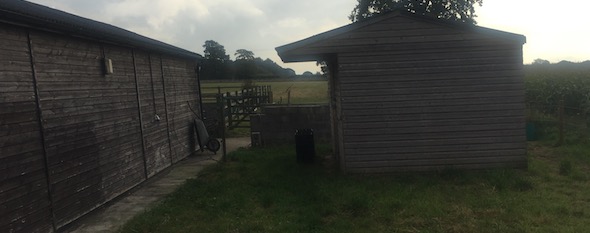
THE PROJECT
Site context.
Practical findings.
In order to demonstrate that after the development the site could not be classified as ‘contaminated land’ under Part 2A of the Environmental Protection Act a Phase I desk study report was required to support the application for residential redevelopment f the site.
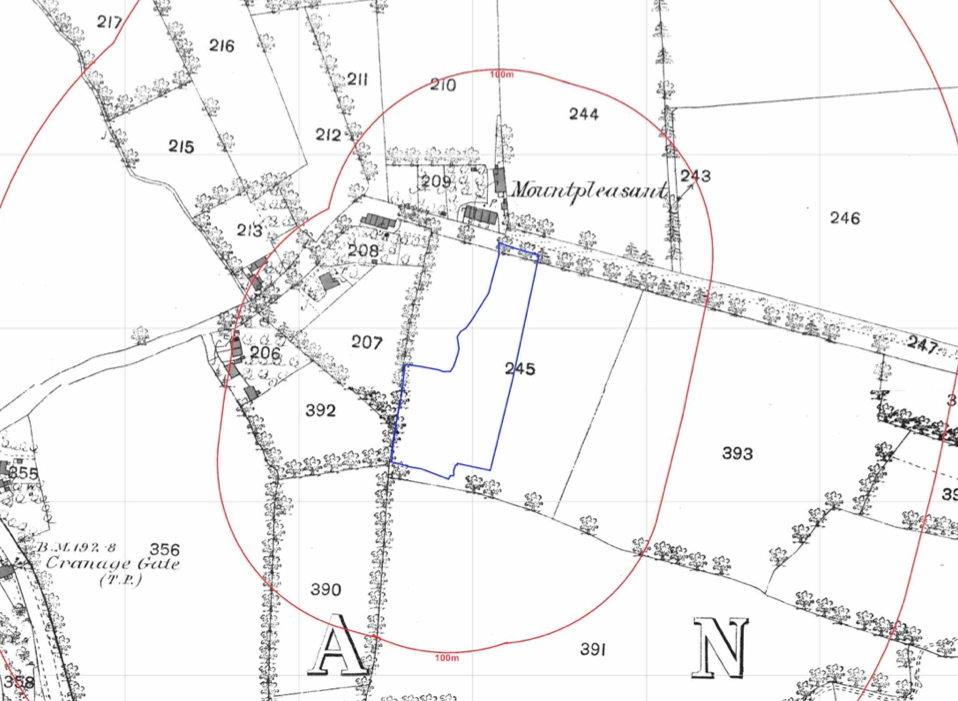
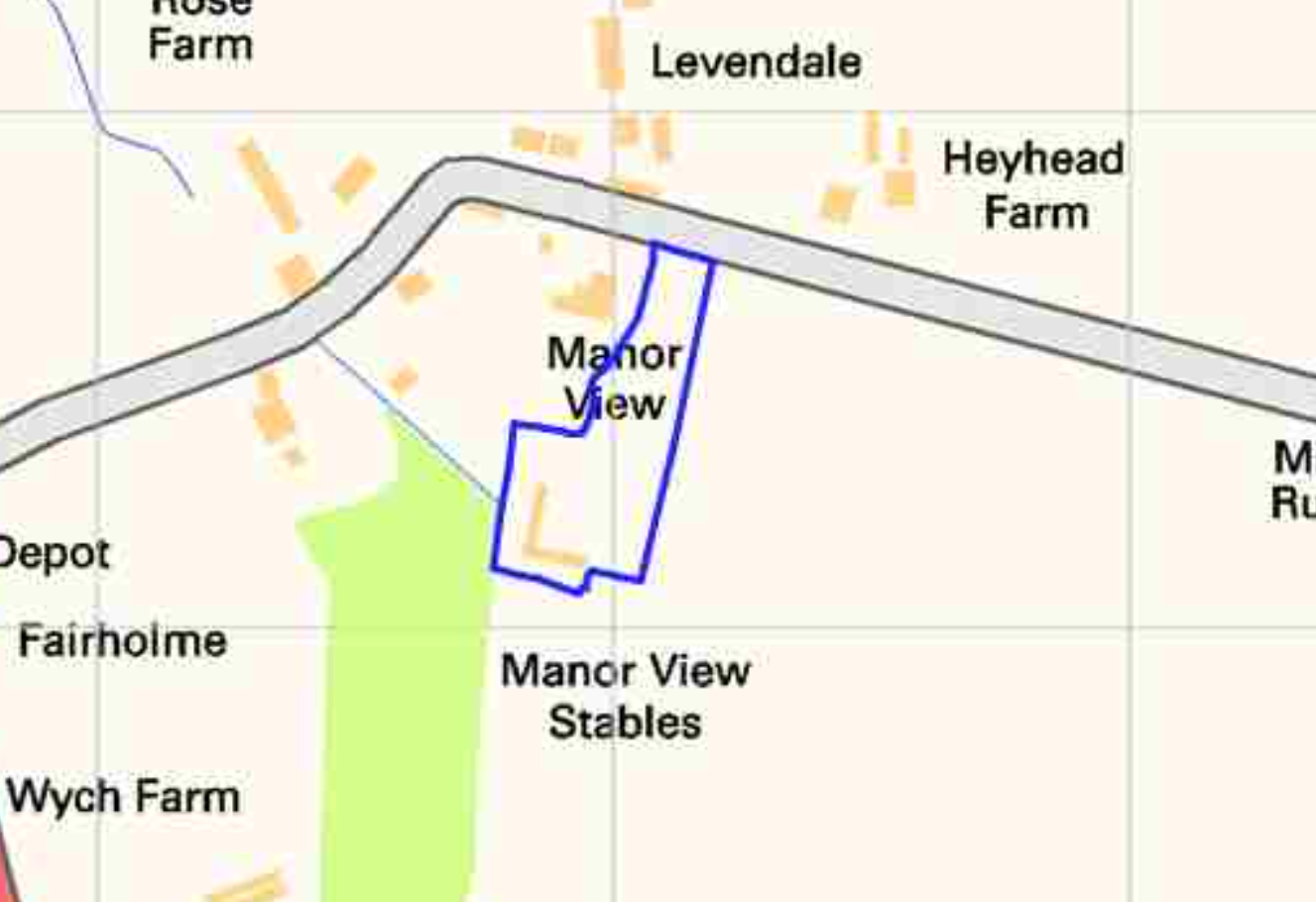
The planning history of the site was reviewed as part of the desk based research and any reports associated with the previous application were located and studied, no salient information was obtained.
The published geological maps identified the site as being underlain by Devensian Glaciofluvial Deposits which in turn were underlain by the Sidmouth Mudstone Formation. As no publicly available boreholes for the areas were available from the BGS no further information in ground conditions could be obtained.
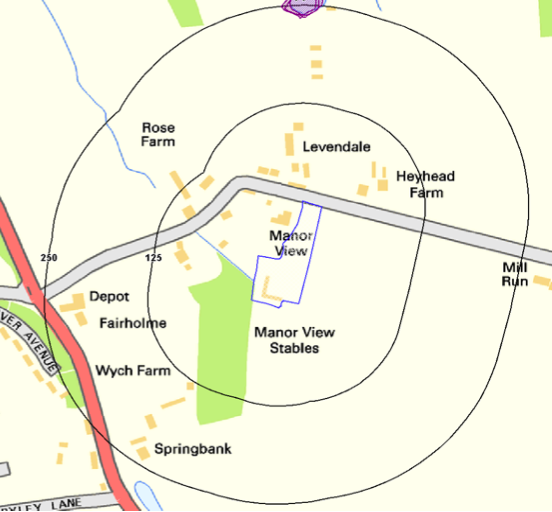
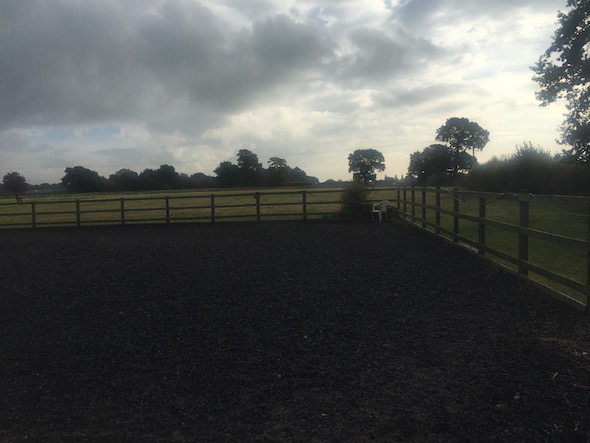
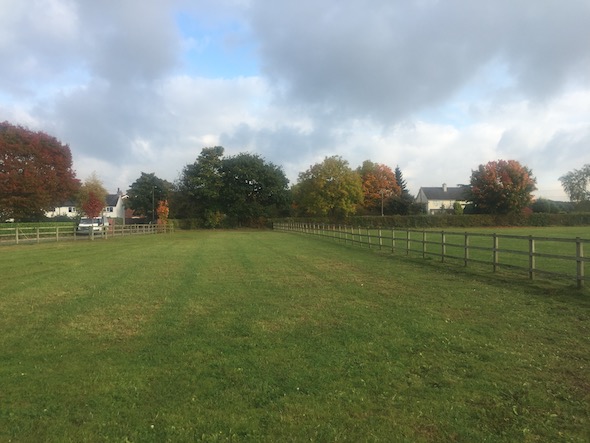
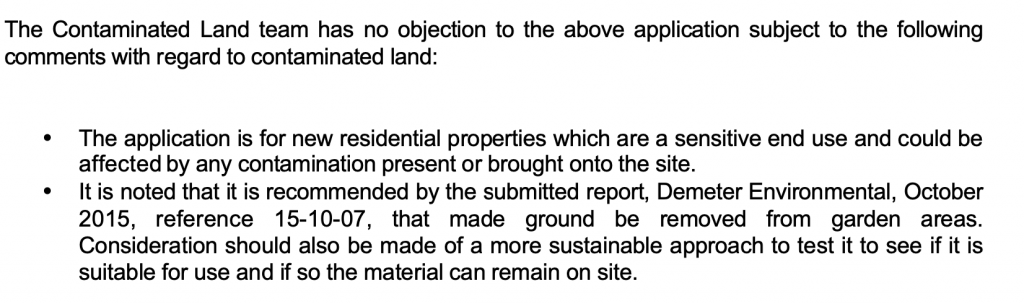
Once the walkover survey was completed a qualitative risk assessment was undertaken on the potential sources of contamination identified in the desk study report in order to determine if any warranted further investigation, this concluded that the potential for made ground to be present warranted further assessment and concluded that in lieu of further works remediation was a suitable alternative.

The report was submitted to support the application, the recommendations accepted and the application granted.
This case study records the project circumstances and conclusions at the time of the work. Planning links may refer to historical council systems.
YOUR NEXT PROJECT
A different site.
The same careful approach.
Send us your site address, development plans and any planning conditions. We’ll help establish the right scope of assessment.
Independent environmental consultancy
Liverpool · Brighton · Cumbria