
Menu
DEMETER ENVIRONMENTAL / CASE STUDY
Residential Development, Great Eccleston, Preston, Lancashire
THE PROJECT
Site context.
Practical findings.
Given the sensitive nature of the development (residential) a contaminated land planning condition was attached to the decision notice for the proposed development.
The first stage of discharging the condition was to prepare a Phase I desk study report in order to determine if the site has the potential to be impacted by elevated levels of contamination, and to determine the source as well as the likelihood of the risk occurring.
A desk study determines what issues relating to historical contamination may affect the site, this is undertaken by reviewing the site history using a combination of O.S. maps, aerial, plates and street level imagery, a review of data held by regulatory bodies (Environment Agency, local authority, BGS etc.) as well as a site walkover survey.
The history of the site and surrounds were researched using a combination of Ordnance Survey (O.S.) maps, street level imagery and aerial plates, this revealed that the site comprised of a parcel of open land with no evidence of development. A pond was noted on the northern boundary which was in-filled by 1912 map, a number of ponds were noted within 250m of the site.
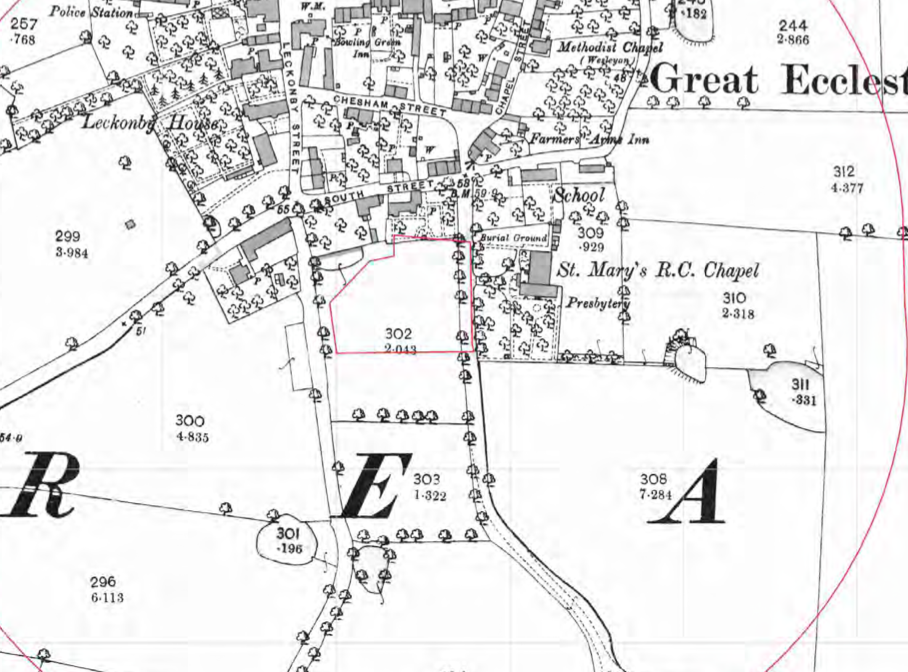
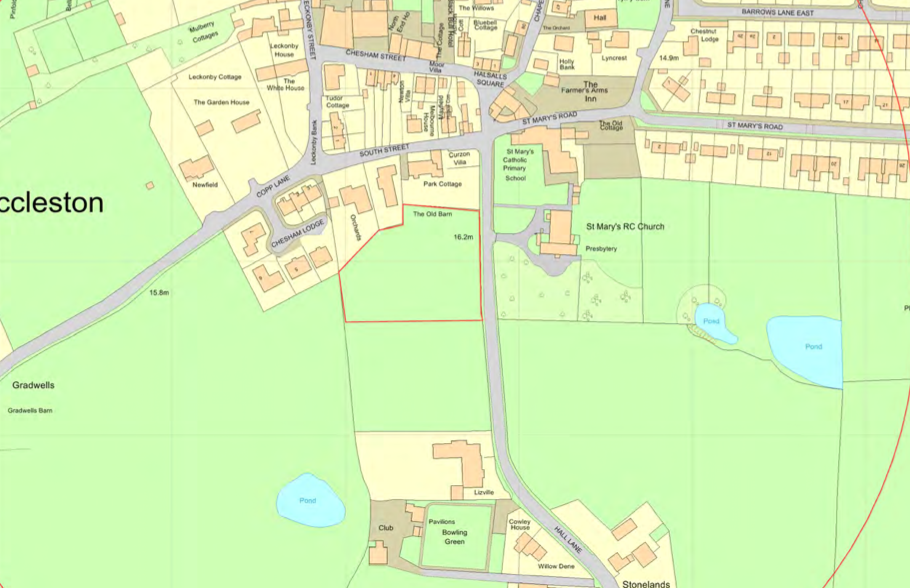
The published geology identified the drift soils as Devensian Till which was underlain by mudstone.
Data provided by regulatory bodies did not provide any further salient information.
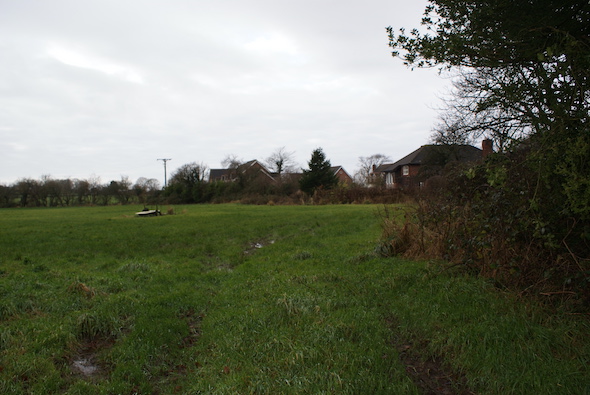
On completion of the desk based research a site reconnaissance
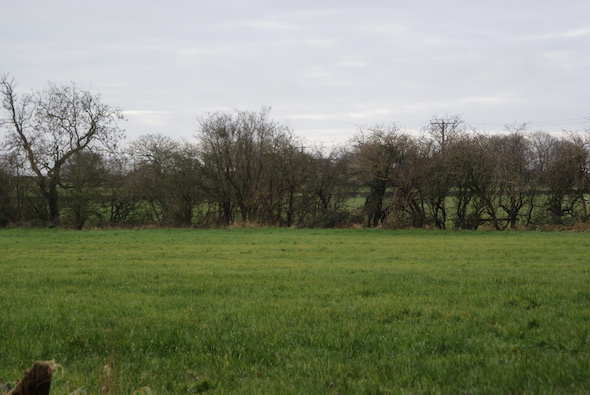
visit was undertaken, this confirmed the site comprised of open land.
Once the walkover survey was completed a qualitative risk assessment was undertaken on the potential sources of contamination identified in the desk study report in order to determine if any warranted further investigation, this concluded that none of the potential sources identified in the desk based search were regarded as credible, based on this the report concluded that no further works were warranted.
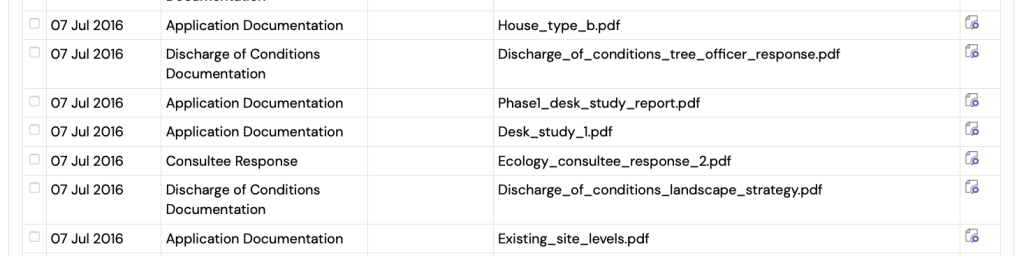

This case study records the project circumstances and conclusions at the time of the work. Planning links may refer to historical council systems.
YOUR NEXT PROJECT
A different site.
The same careful approach.
Send us your site address, development plans and any planning conditions. We’ll help establish the right scope of assessment.
Independent environmental consultancy
Liverpool · Brighton · Cumbria