
Menu
DEMETER ENVIRONMENTAL / CASE STUDY
Residential Development, Pecks Hill, Nazeing, Essex, EN9
THE PROJECT
Site context.
Practical findings.
In order to support the planning application for the proposed erection of two dwellings a desk study report was required to demonstrate that the site could be made ‘suitable for use’.
A desk study determines what issues relating to historical contamination may affect the site, this is undertaken by reviewing the site history using a combination of O.S. maps, aerial, plates and street level imagery, a review of data held by regulatory bodies (Environment Agency, local authority, BGS etc.) as well as a site walkover survey.
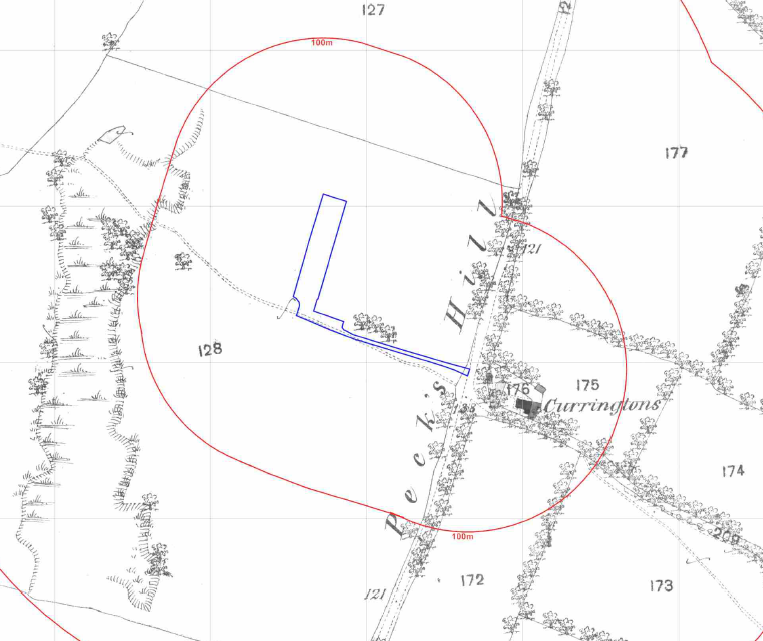
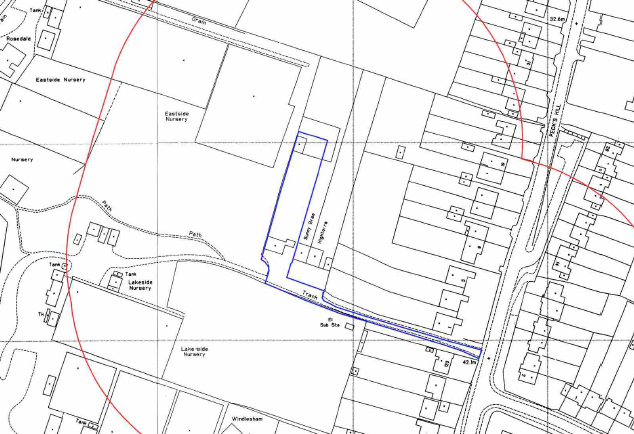
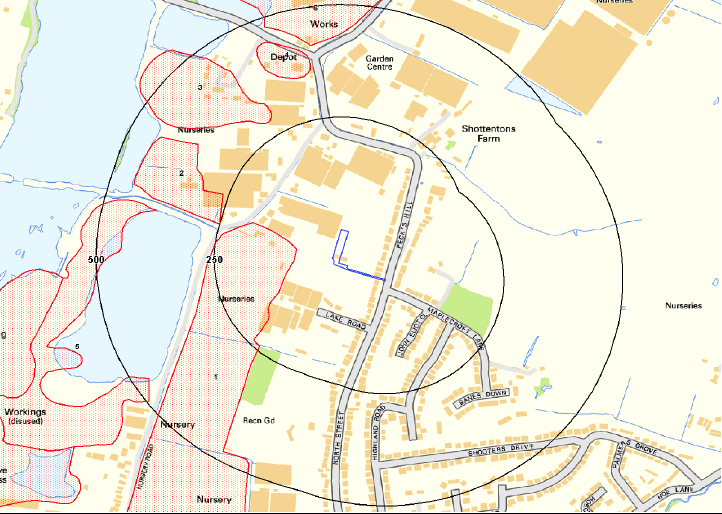
Data provided by regulators also identified the ponds as ground workings. Two landfills were also identified within 250m of the site, the closest being 78m west, which accepted inert waster and 250m west which accepted household waste.
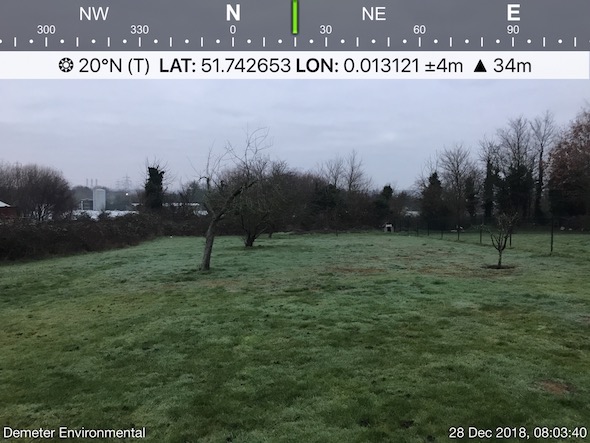

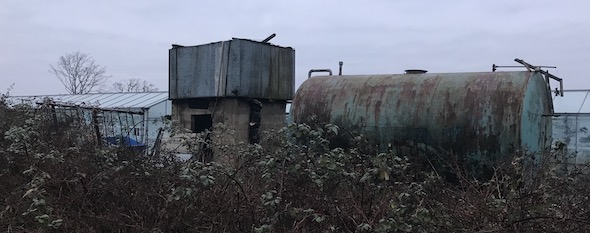
On completion of the site walkover survey a qualitative risk assessment was undertaken on the potential source of contamination identified in the desk study report, this concluded that the adjoining tanks and landfills in close proximity to the site posed a potential risk to human health.
Given that the closest landfill accepted inert waste only it was concluded that the incorporation fo gas protection measures was an appropriate alternative to ground gas monitoring.
The adjoining tanks were also identified as a potential source of contamination that may affect water ,main, as an alternative to investigation the specification of water main as barrier pipe was proposed.
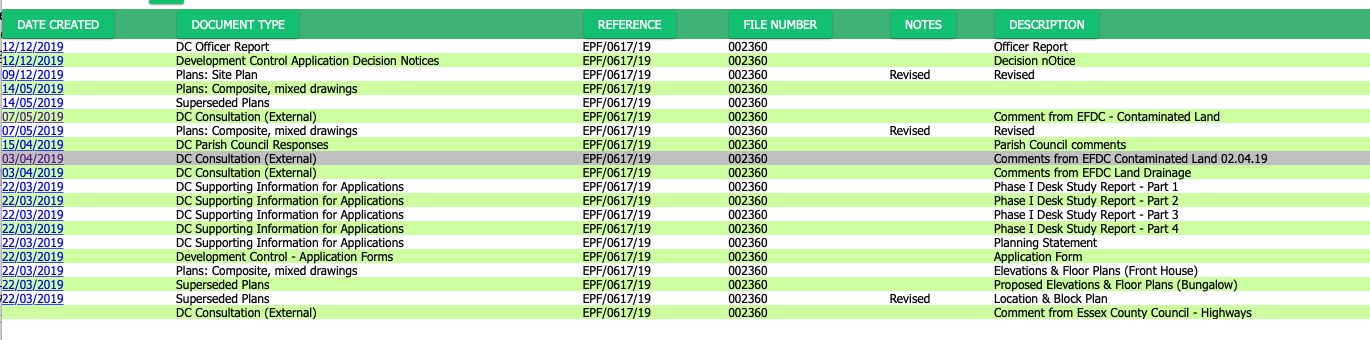
This case study records the project circumstances and conclusions at the time of the work. Planning links may refer to historical council systems.
YOUR NEXT PROJECT
A different site.
The same careful approach.
Send us your site address, development plans and any planning conditions. We’ll help establish the right scope of assessment.
Independent environmental consultancy
Liverpool · Brighton · Cumbria