
Menu
DEMETER ENVIRONMENTAL / CASE STUDY
Residential Development on Open Land, Nantwich, Cheshire
THE PROJECT
Site context.
Practical findings.
One of the conditions applied to the decision notice for the erection of a dwelling on a plot of open land, Nantwich (Planning Reference 14/5854N ) was a contaminated land planning condition (as the developed was considered sensitive contamination is assumed until proven otherwise with a minimum of a Phase I desk study report). Demeter Environmental were commissioned to prepare the desk study report.
Prior to any site reconnaissance visit, the history of the site was reviewed as well as the geology of the site, risks from in-filled land, naturally occurring contamination (naturally occurring heavy metals, radon, carbonate soils etc.) as well as information from the Environment Agency to assess the sensitivity of groundwater and surface water receptors.
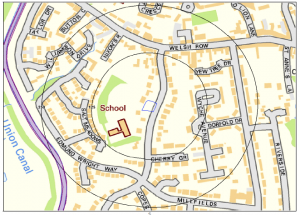
The review of the historical OS maps revealed the site comprised of open land and by 1961 formed part of the curtilage of the adjacent property. A canal was identified on all O.S maps 240m south west of the site.
The review of the 1:50,000 geological maps published by the BGS revealed the site was underlain by River Terrace deposits comprising of sands and gravels. The bedrock was the Wilkesley Halite Member (Halite-stone and mudstone) of the Carnian epoch.
The data on background geological hazards indicated that concentrations of arsenic, cadmium, chromium, nickel and lead were below there respective residential S4UL’s / C4SL’s. The canal 240m south west of the site was identified as potentially in-filled land and was discounted as the canal was present an the most current O.S maps.
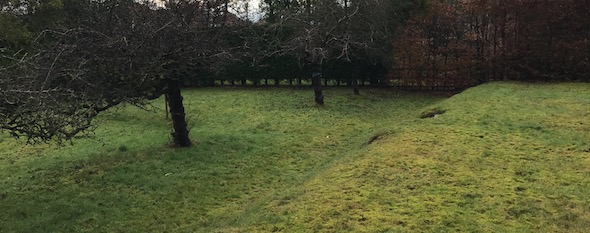
The site walkover confirmed hat the site was a garden and there was no evidence of made ground or any other credible source of contamination being present on the site.
The report concluded that there was no credible surcease of contamination, and as a conceptual model could not be constructed, no further works were warranted.
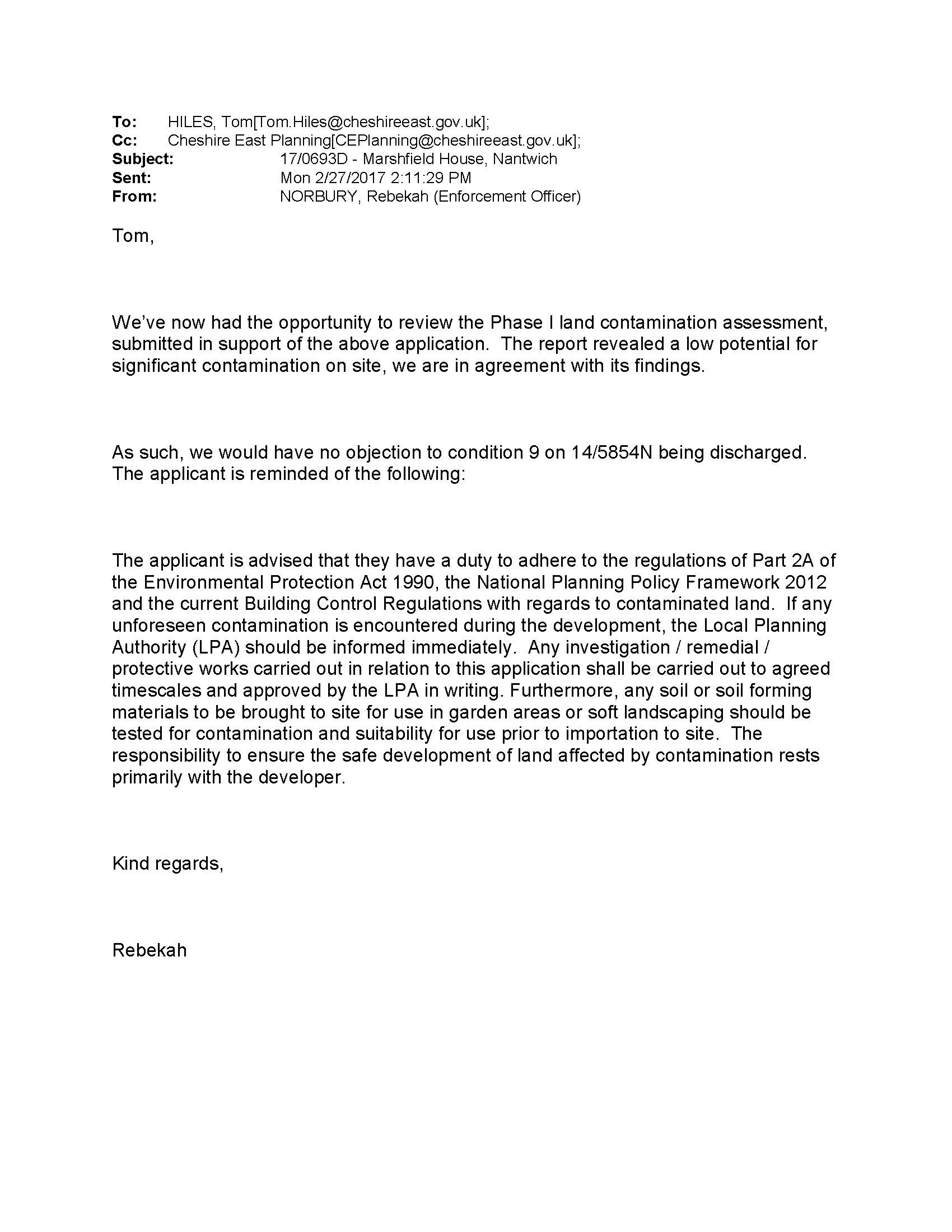
The report was submitted as part of an application to discharge (17/0693D) and the report was accepted and the contaminated land planing condition discharged.
This case study records the project circumstances and conclusions at the time of the work. Planning links may refer to historical council systems.
YOUR NEXT PROJECT
A different site.
The same careful approach.
Send us your site address, development plans and any planning conditions. We’ll help establish the right scope of assessment.
Independent environmental consultancy
Liverpool · Brighton · Cumbria